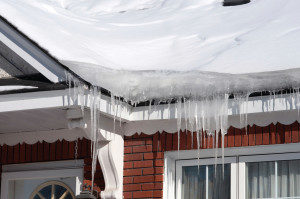
Thermal Imaging-Through Engineer’s Eyes
Thermal imaging is like unlocking a secret code and reading the heat loss in your home. Where is your money seeping out of your walls and attic? This is a…
Thermal imaging is like unlocking a secret code and reading the heat loss in your home. Where is your money seeping out of your walls and attic? This is a…
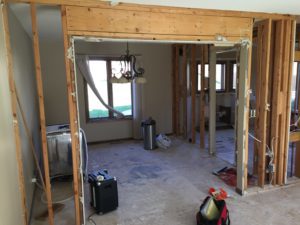
The most common remodel questions we get at Complete Building Solutions are regarding the removal of a wall for expansions and making open floor plans. Commonly these inquiries would include…
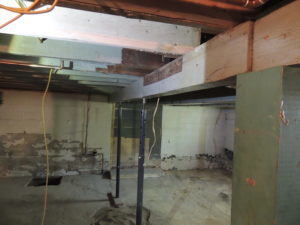
https://www.youtube.com/watch?v=I3xpavV-hHI Most homes built before the 1980’s were hand framed which means any wall removal or addition project typically needed to be structurally engineered by a professional. The replacement of…
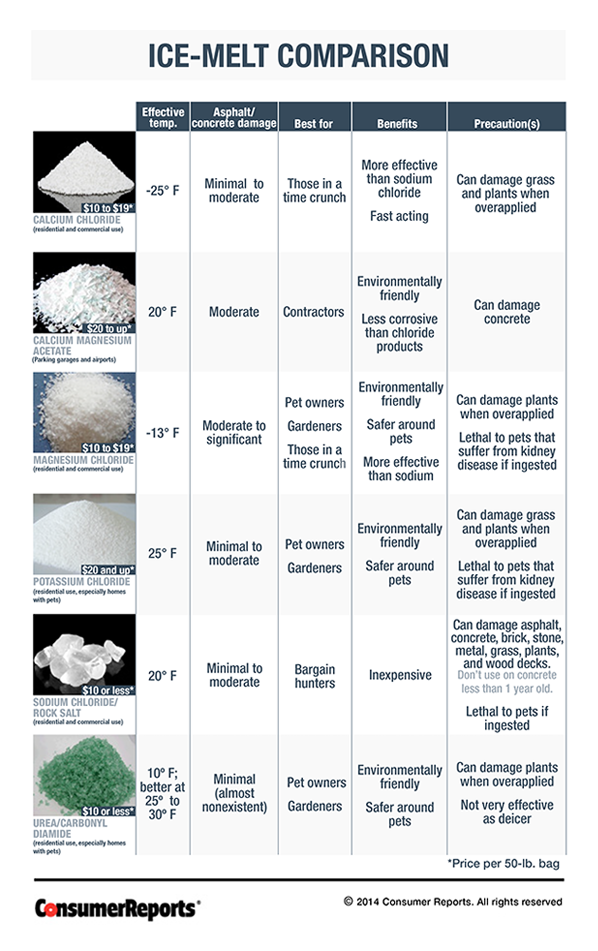
As we speak, our social media newsfeeds are blowing up with snow warnings, schools are closing, business meetings are being rescheduled, and families are stocking up for the incoming storm…
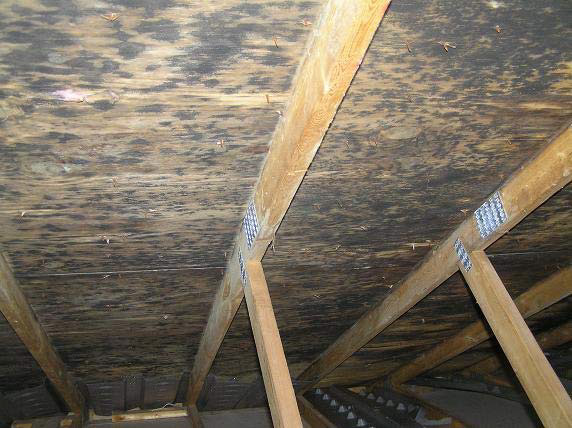
It is mid-January in Minnesota. We have seen temperatures plunge below zero and return to the mid-thirties (degrees Fahrenheit) multiple times. This varying temperature span is a recipe for attic…
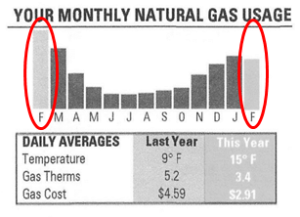
Would you heat and cool your home with the front door and windows open? Like me, many homeowners are looking for energy savings in their homes because we know that…
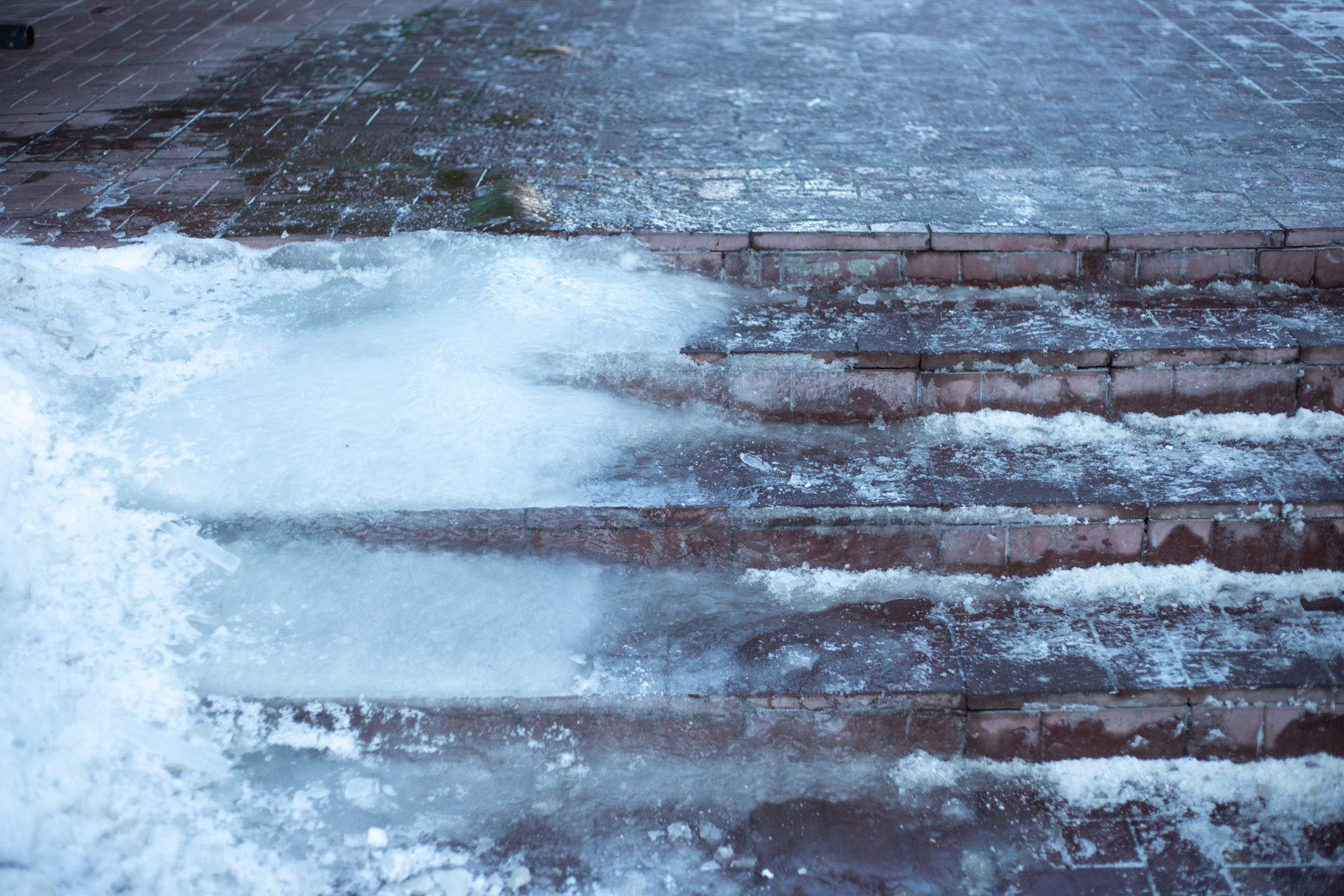
Minnesota winters produce harsh winds, dark skies, and snow. But, the most precarious weather consequence affecting, not only the elderly population but all generations, is ice. Ice is a rigid…